-
Whatsapp: +86-13681923533
-
email: jminfo@jm-industry.com

Language
Electrical and Electronic
At JM Hardware®, we provide high-quality fasteners specifically designed for the electrical and electronic industries. These sectors demand precision, reliability, and long-lasting performance, and our fasteners play a crucial role in ensuring that electrical and electronic components function correctly and safely. From securing components in circuit boards to assembling heavy-duty electrical enclosures, our fasteners are engineered to meet the unique needs of electrical and electronic applications.
Comprehensive Fastener Solutions for Electrical and Electronic Industries
We offer a broad range of fasteners designed for use in electrical and electronic products, including:
Screws and Bolts: Used for securing electrical components, such as circuit boards, panels, and enclosures.
Nuts and Washers: Essential for creating secure connections and distributing loads evenly across electrical assemblies.
Terminals and Connectors: Vital for ensuring reliable electrical connections and preventing signal loss or power failure.
Rivets: For permanent joining of components in electrical systems or enclosures where welding or traditional screws aren’t practical.
Grounding Fasteners: Used for grounding electrical equipment and ensuring safe operation of electronic devices.
Threaded Rods: Useful for creating adjustable, secure connections in complex electronic systems.
Clamps and Cable Ties: To organize and secure wires, cables, and components in electrical panels or industrial environments.
Self-Tapping and Self-Drilling Screws: Ideal for applications where drilling holes is not feasible, such as in soft plastics or thin sheet metals.
Each of these fasteners is designed to meet the precise requirements of modern electrical and electronic systems, providing reliable performance in a wide range of applications.

Circuit Boards

Enclosures and Panels

Grounding Connections

Power Distribution

Industrial Control Systems

Telecommunications
Materials Used in Electrical and Electronic Fasteners
Fasteners in electrical and electronic applications must meet stringent criteria for durability, electrical conductivity, and resistance to corrosion. At JM Hardware®, we use a wide variety of materials to ensure our fasteners perform optimally in these challenging environments:
1.Stainless Steel (SS304, SS316): Offers excellent corrosion resistance, making it ideal for outdoor, marine, and high-humidity environments.
2.Brass: Known for its excellent conductivity and corrosion resistance, brass is used in applications where electrical grounding or high-conductivity connections are needed.
3.Nickel-Plated Steel: Provides enhanced corrosion resistance and is often used for connectors and terminals.
4.Aluminum: Lightweight and corrosion-resistant, aluminum is commonly used in enclosures and components that require both strength and lightweight properties.
5.Copper: Excellent conductivity for electrical applications, often used in terminals and connectors.
6.Zinc-Plated Steel: A cost-effective solution for applications where corrosion resistance is important, but high strength is not a primary concern.
7.Polymer and Plastic: Non-conductive materials used for insulating fasteners, such as cable ties and electrical insulators.
The material chosen for each fastener ensures it meets the specific requirements of electrical and electronic applications, providing strength, conductivity, and protection against environmental factors.
Surface Finishes for Electrical and Electronic Fasteners
To enhance performance, prevent corrosion, and ensure longevity, our electrical and electronic fasteners undergo various surface treatments:
1.Nickel Plating: Provides excellent corrosion protection and electrical conductivity for connectors and terminals.
2.Zinc Plating: Used to improve corrosion resistance, particularly in environments where moisture or salt exposure is common.
3.Black Oxide Coating: Offers mild corrosion protection while giving a sleek finish, often used for aesthetic purposes in consumer electronics.
4.Tin Plating: Applied to fasteners used in electrical applications to ensure better conductivity and corrosion resistance.
5.Anodizing: Typically applied to aluminum fasteners to enhance corrosion resistance and improve surface hardness, used in harsh environments.
6.Passivation: Primarily used on stainless steel fasteners to increase their corrosion resistance and improve surface integrity.
These surface finishes help ensure that electrical and electronic fasteners perform reliably even in the most demanding environments.
Key Applications of Fasteners in Electrical and Electronic Industries
Electrical and electronic fasteners serve a broad range of applications, ensuring the proper function and safety of equipment in industries such as telecommunications, consumer electronics, industrial control, and more. Some common applications include:
Circuit Boards: Screws and nuts are used to secure components on PCBs, ensuring proper assembly and operation of the board.
Enclosures and Panels: Bolts, screws, and rivets are used to secure electrical enclosures, offering protection for sensitive components and ensuring easy access for maintenance.
Grounding Connections: Grounding screws and washers are used to ensure safe electrical grounding in devices and equipment.
Power Distribution: Fasteners in power distribution systems, such as connector screws and clamps, play a vital role in keeping power grids stable and safe.
Industrial Control Systems: Fasteners are critical in securing panels, wiring, and other components in control panels that manage industrial systems.
Telecommunications: Cable clamps and connectors are used to secure and organize wires and cables in telecommunications equipment.
Fasteners in these applications are designed to be corrosion-resistant, conductive (when necessary), and capable of withstanding high levels of electrical and mechanical stress.
Quality Assurance and Testing
We understand the importance of reliability and precision in the electrical and electronic industries. At JM Hardware®, every fastener undergoes stringent quality control and testing processes to meet the highest standards. Our testing methods include:
1.Tensile Strength Testing: Ensures the fasteners can withstand the required forces without failure.
2.Corrosion Resistance Testing: Verifies the fasteners’ ability to resist rust and degradation over time.
3.Conductivity Testing: For fasteners used in electrical connections, ensuring they provide adequate conductivity without compromising electrical safety.
4.Dimensional Accuracy Testing: Ensures fasteners are manufactured to precise measurements to ensure compatibility with your electrical or electronic systems.
5.Vibration Testing: Verifies that fasteners remain securely fastened in environments where vibration is a concern, such as in industrial control systems or automotive electronics.
6.Impact Testing: Ensures the fasteners can withstand shocks or sudden forces without failure, particularly for connectors in high-stress environments.
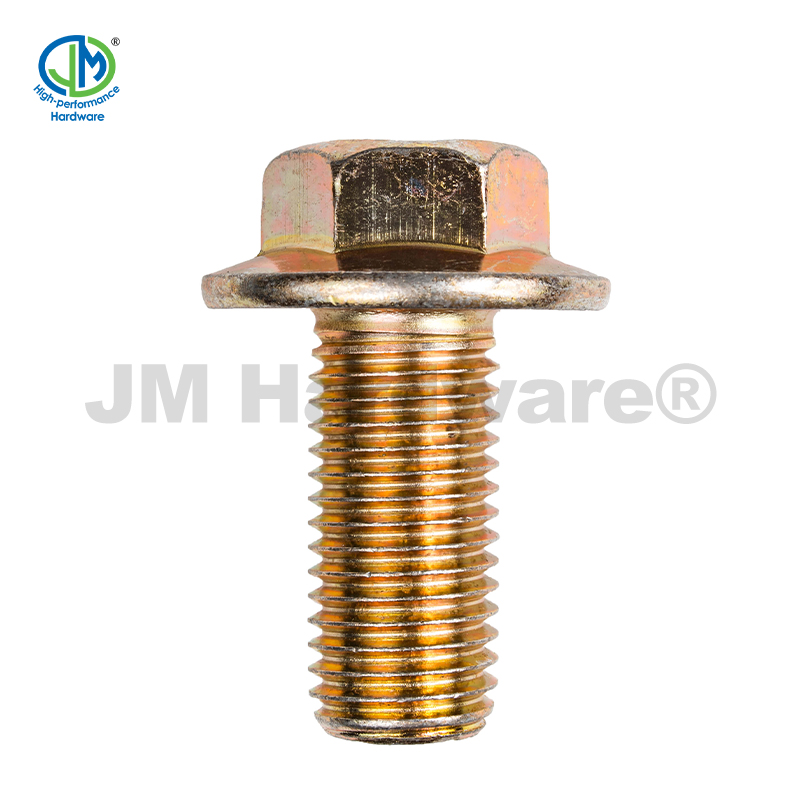
Flange Bolts
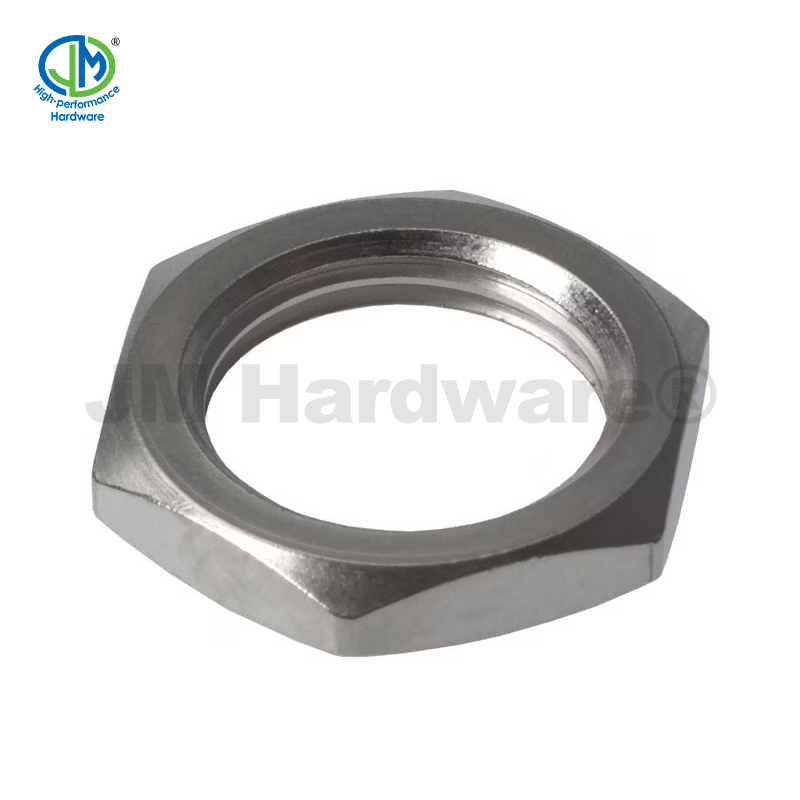
Hex nut
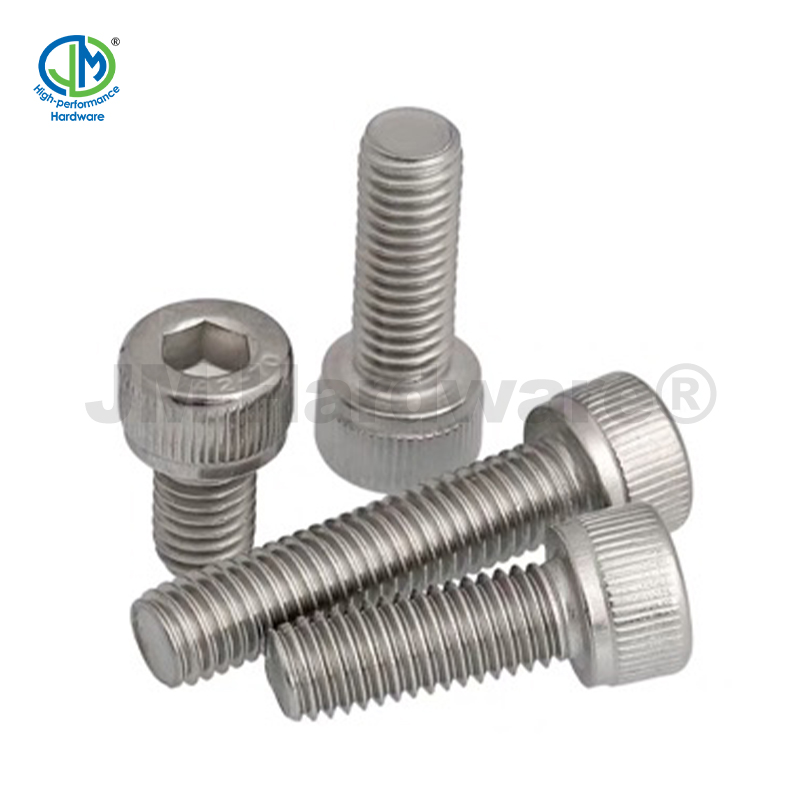
Hex Socket Head Cap Screw
.jpg)
Locknuts (all metal nylon insert)
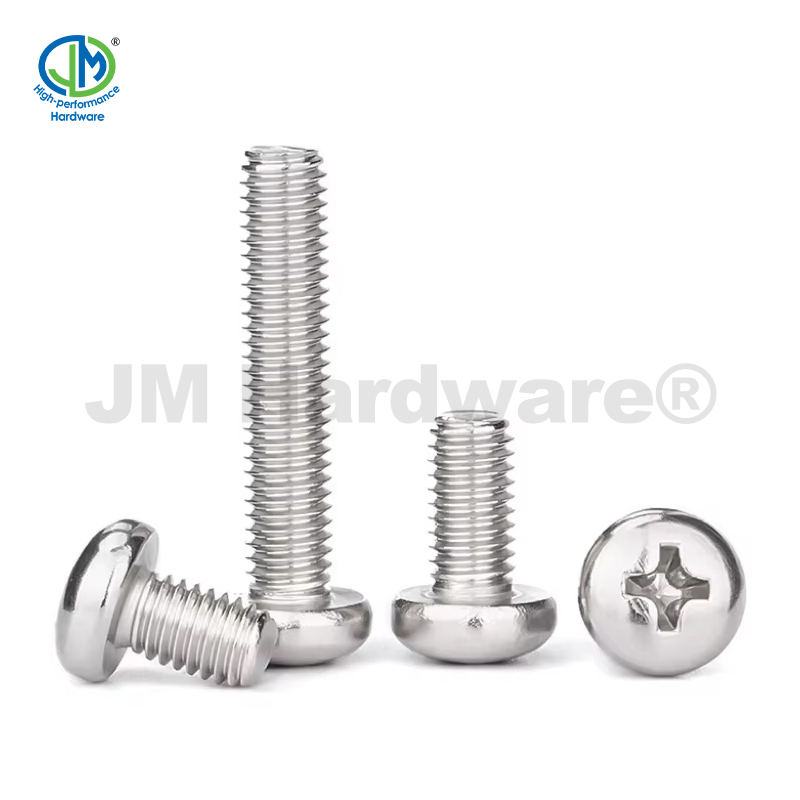
Machine screw
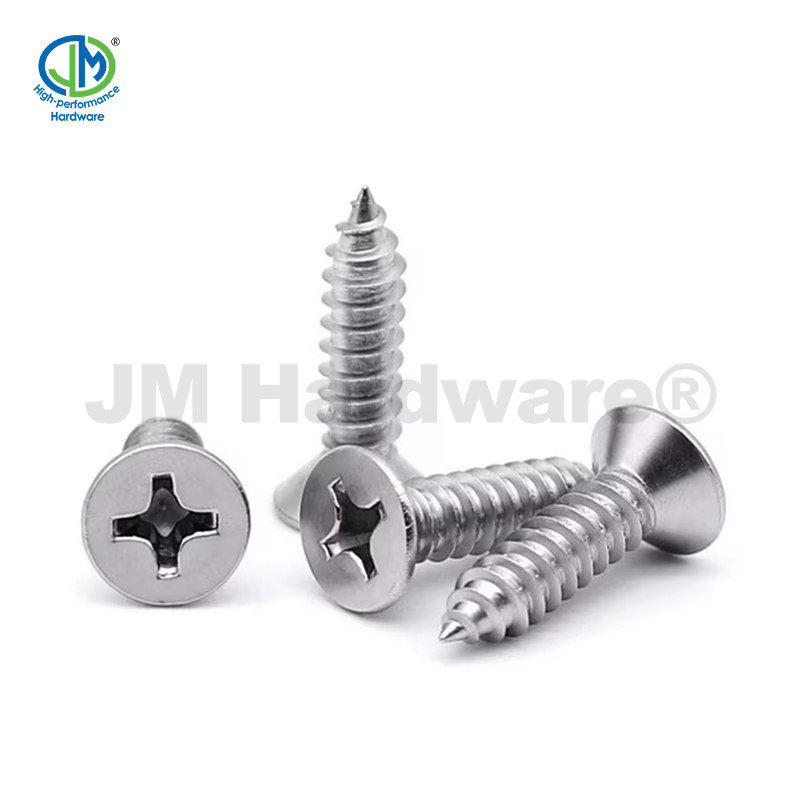
Self tapping screw
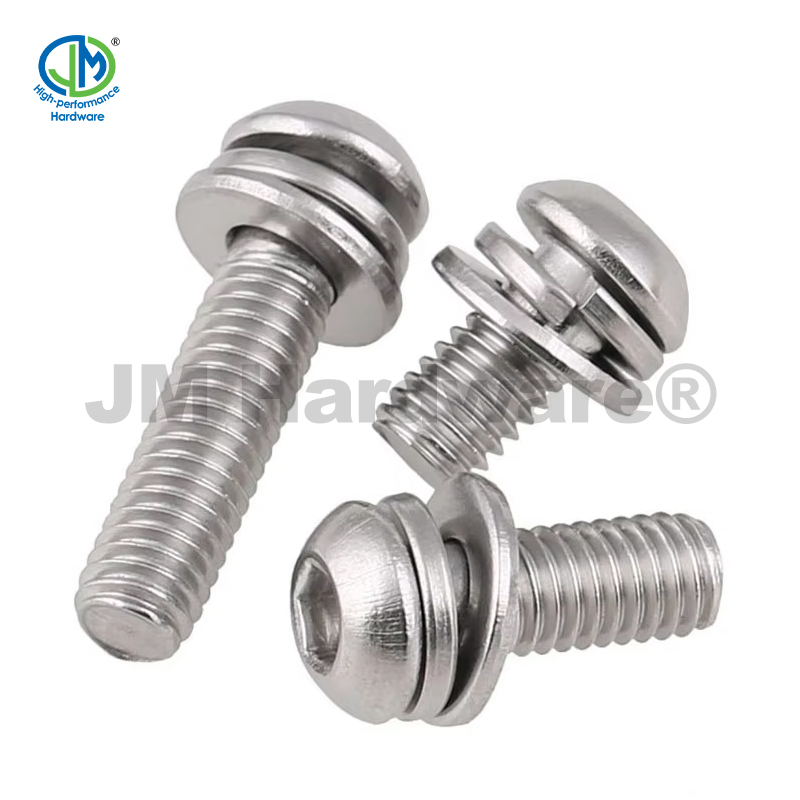
SEMS screw
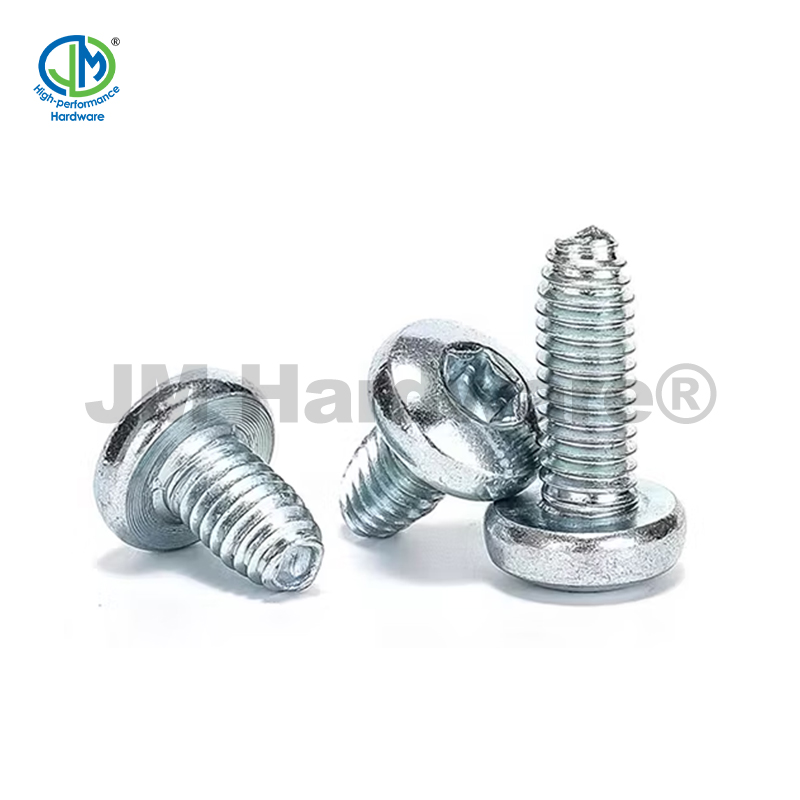
Triangular screw
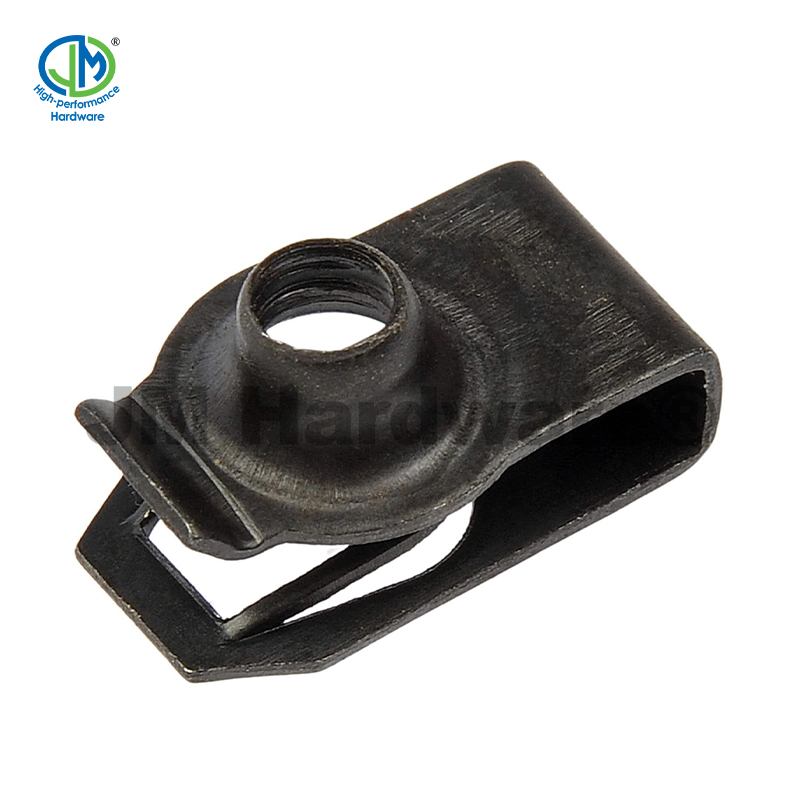
U clip nut
Customized Fastener Solutions for Electrical and Electronic Projects
At JM Hardware®, we offer custom fastener solutions to meet the unique requirements of electrical and electronic projects. Whether you need specialized sizes, coatings, or materials, we can provide tailored solutions to suit your specific needs, including:
Custom Threading: Fasteners designed with specific thread patterns to meet your connection requirements.
Non-Standard Sizes: Manufacturing custom lengths and diameters for unique applications.
Kitting and Assembly: Pre-assembled fastener kits for streamlined installation and reduced on-site assembly time.
Specialized Coatings: Customized coatings for enhanced conductivity, corrosion resistance, and durability.
Why Choose JM Hardware® for Electrical and Electronic Fasteners?
1.Extensive Product Range: We offer a wide variety of fasteners to meet the demands of the electrical and electronics industries.
2.Custom Manufacturing: Tailored fasteners to suit your unique project specifications.
3.Advanced Materials and Finishes: High-quality materials and surface treatments ensure durability and reliability.
4.Rigorous Quality Control: Every product undergoes comprehensive testing to ensure top-tier performance.
5.Industry Expertise: Decades of experience in supplying fasteners for critical electrical and electronic applications.
Contact JM Hardware® for Your Electrical and Electronic Fastener Needs
Whether you’re working on circuit board assembly, power distribution, or securing electronic enclosures, JM Hardware® has the fasteners you need for safe and reliable connections. Contact us today to discuss your specific requirements and get started with our custom fastener solutions!
Contact US
Product Information
Quantity
Unit
Piece
Support order samples, customization, wholesale direct, and complete payment. If the product you look for does not have corresponding customized content, pls fill out the form below to contact us, and we will reply ASAP.